Be the croquet club you promised to be
A few years ago, a sports psychologist watched Reg Bamford lose a match at a tournament in Brighton, England. Bamford is one of the greatest croquet players who has ever played. Seven world championships across both codes. Decades at the top of the game. So when the coach approached him afterwards and said he was “completely shocked,” Bamford assumed he meant the result.
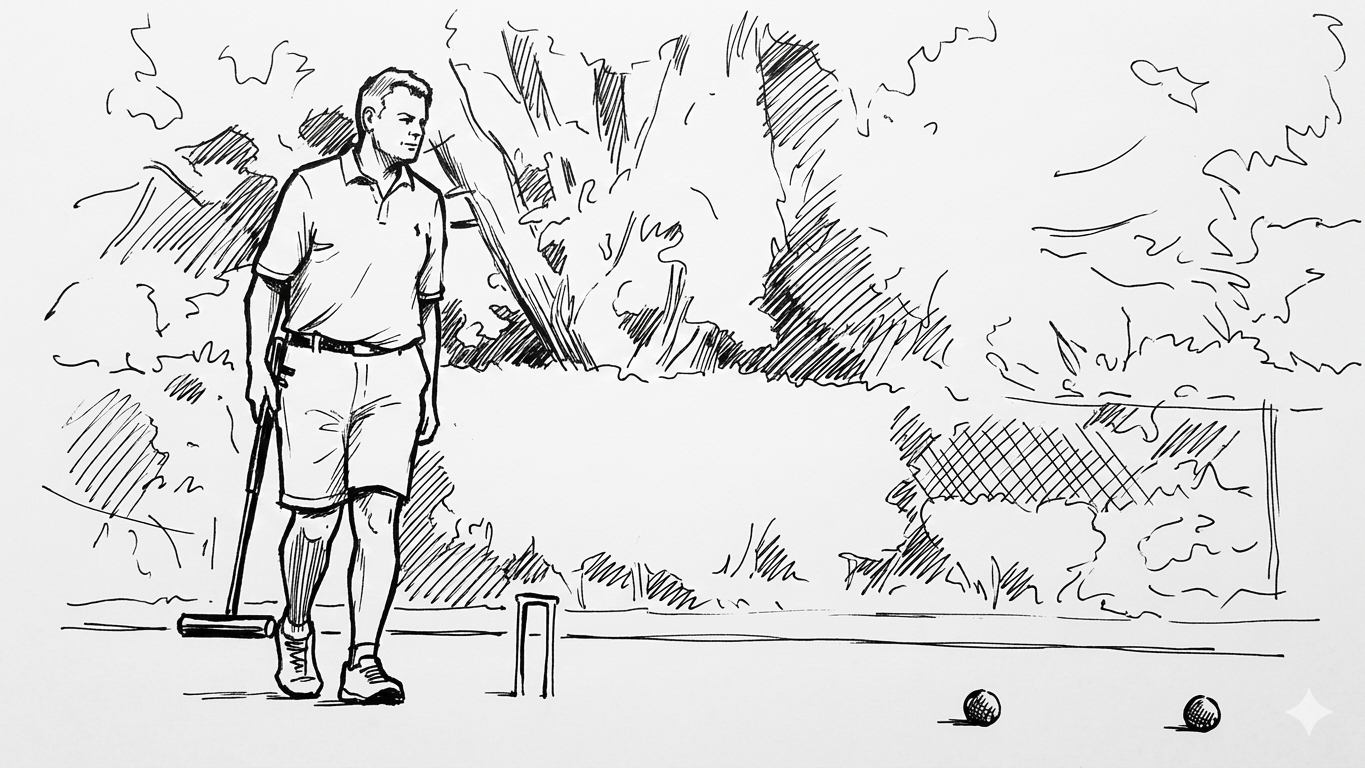
He didn’t. He meant the way Bamford looked.
“Your body language, Reg. What you look like is appalling.”
Over dinner that evening, the coach gave Bamford a list of twelve or thirteen things to change. None of them involved croquet. Get a proper haircut. Shave before every match. Iron your shirt. Wear a belt. Clean your shoes. Walk onto court like you belong there. When you play a bad shot, don’t drop your mallet and let your opponent see it.
Two weeks later, Bamford played the British Open at Surbiton. He put on his Springbok blazer as he got out of the car. People came up to him that first morning and said he looked smart. That had never happened before.
Bamford played fantastic croquet that week. He credits a significant part of that success to a dinner conversation that had nothing to do with how to hit a ball.
Look sharp, play sharp.
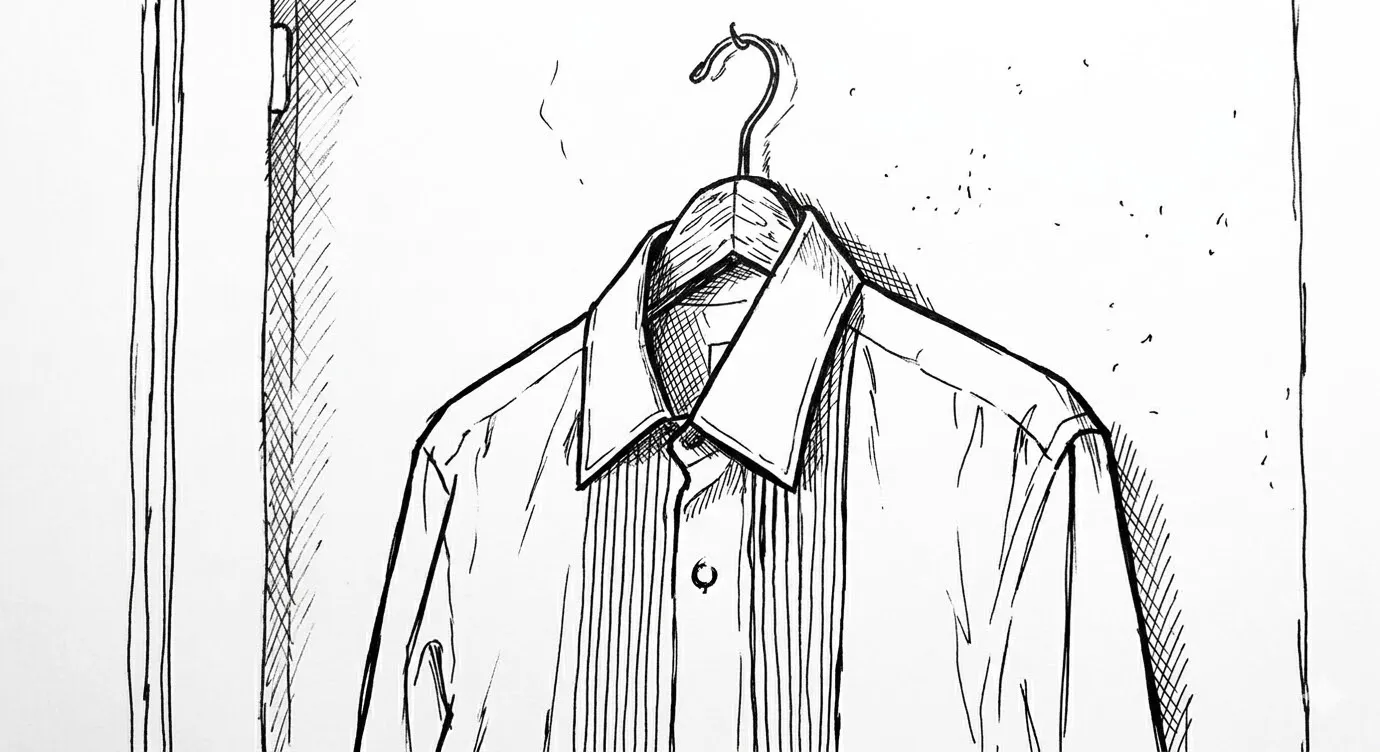
Iron your shirt. Wear a belt. Clean your shoes.
From player to club
Bamford was talking about himself. But the principle works in exactly the same way for the place.
A croquet club is a physical space that people walk into and form an opinion about within thirty seconds. Before they pick up a mallet. Before they meet a member. Before anyone explains the rules. They’ve already decided whether this feels like somewhere they want to be.
Most clubs don’t think about this. They think about lawns and hoops and scheduling. The clubhouse is glorified storage shed. The honour board hasn’t been updated since 2021. The loan mallets are splintered and the grips are held together with electrical tape.
None of that matters to the people who are already members. They don’t see it anymore. But a visitor sees everything fresh.
The promise clubs make
Seth Godin, the marketing writer, puts it simply: a brand is a promise you made. Consistency means you keep that promise. When you don’t, the brand falls apart.
When a club runs a Come and Try day, or puts an ad on Facebook, or gets mentioned in a local paper, it’s making a promise. The promise is: come to our croquet club and have a good experience. People hear “croquet club” and they picture something. Green lawns, coloured balls, a pleasant afternoon. Something a bit refined. Something worth their Saturday.
That image is doing the selling before the visitor arrives. The ad got their attention. The sign-up system made it easy. But the club has to deliver what was promised.
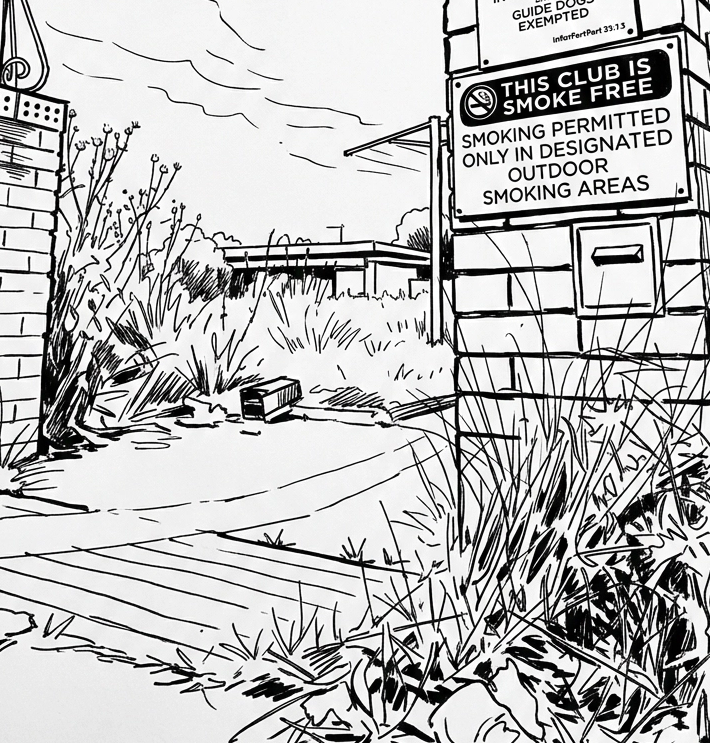
If someone clicks on a polished ad, fills in a form on a professional-looking website, drives twenty minutes to a club, and finds a faded sign, weedy lawns, a dark clubhouse, and a mallet that looks like it survived a flood, the promise is broken. They might stay for the session out of politeness. They won’t come back.
You’re on a first date. You don’t get a second one if you show up in tracksuit pants.
What “yes, this is a croquet club” feels like
A visitor pulls into the car park. There’s a sign that’s clear and readable. They know they’re in the right place. The path to the clubhouse is obvious. They can see the lawns from the entrance.
They walk in and it feels like somewhere people care about. The noticeboard has this month’s fixtures on it. The kitchen is clean. The clubhouse smells like tea, not neglect. Someone says hello before they’ve had time to feel awkward.
Then they pick up a mallet. It’s got a fresh grip. The head is smooth. It feels like a piece of sporting equipment, not something rescued from a shed. I’ve written about this before: your loan mallets are your teacups. You wouldn’t serve a first-time guest tea in a chipped mug. You’d bring out the nice china. The mallet a visitor holds is their primary connection to the game. A good one tells them this club takes croquet seriously.
That feeling, the whole thing, is what “be a croquet club” means. It’s the feeling that people are here because they want to be, and they look after the place because it’s theirs. You can sense it the moment you walk in. Members who care about their club create a space that visitors want to join.
None of this costs much. Most of it costs nothing. Its the club enjoying its clubhouse and enjoying croquet.
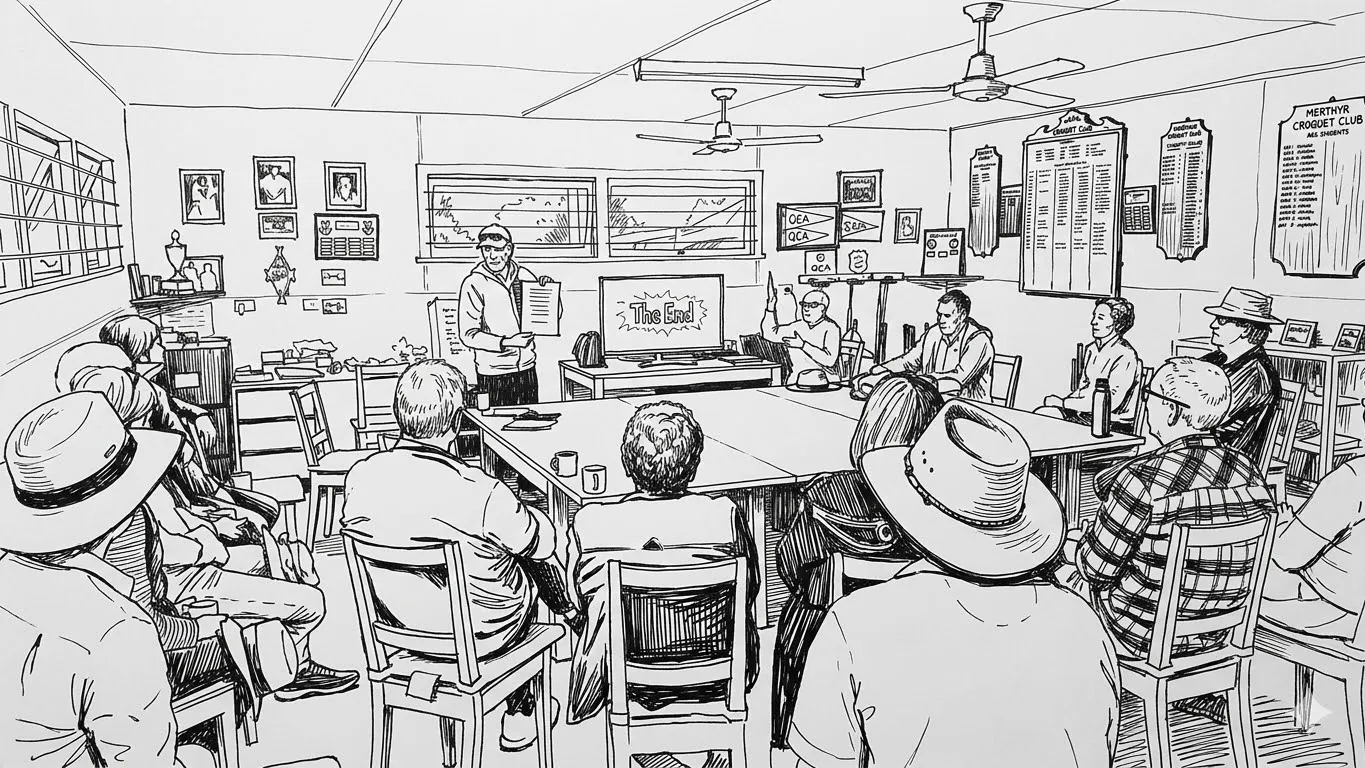
A fresh, clean functional clubhouse.
Club Proud McIlwraith
McIlwraith Croquet Club in Brisbane grew from 17 members to over 70 and stayed there for 25 years. Their Come and Try conversion rate is close to 100%.
One of the reasons is that McIlwraith treats its club like a home. Members are encouraged to take ownership of the space, not just use it. The clubhouse is clean. The lawns are maintained. When a local MP visits or a new member comes to try croquet, the club makes its case without anyone saying a word.
As the McIlwraith members put it: a well-kept club is somewhere people actually want to spend time. They turn up more often, stay longer, tell friends about it, invite people they know with confidence. Nobody has to sell the club. It sells itself.
The functions they host for corporate groups and birthday parties are repeat bookings because the setting is attractive and the experience matches what people expected when they booked.
Does your club look like somewhere you’d want to bring a friend?
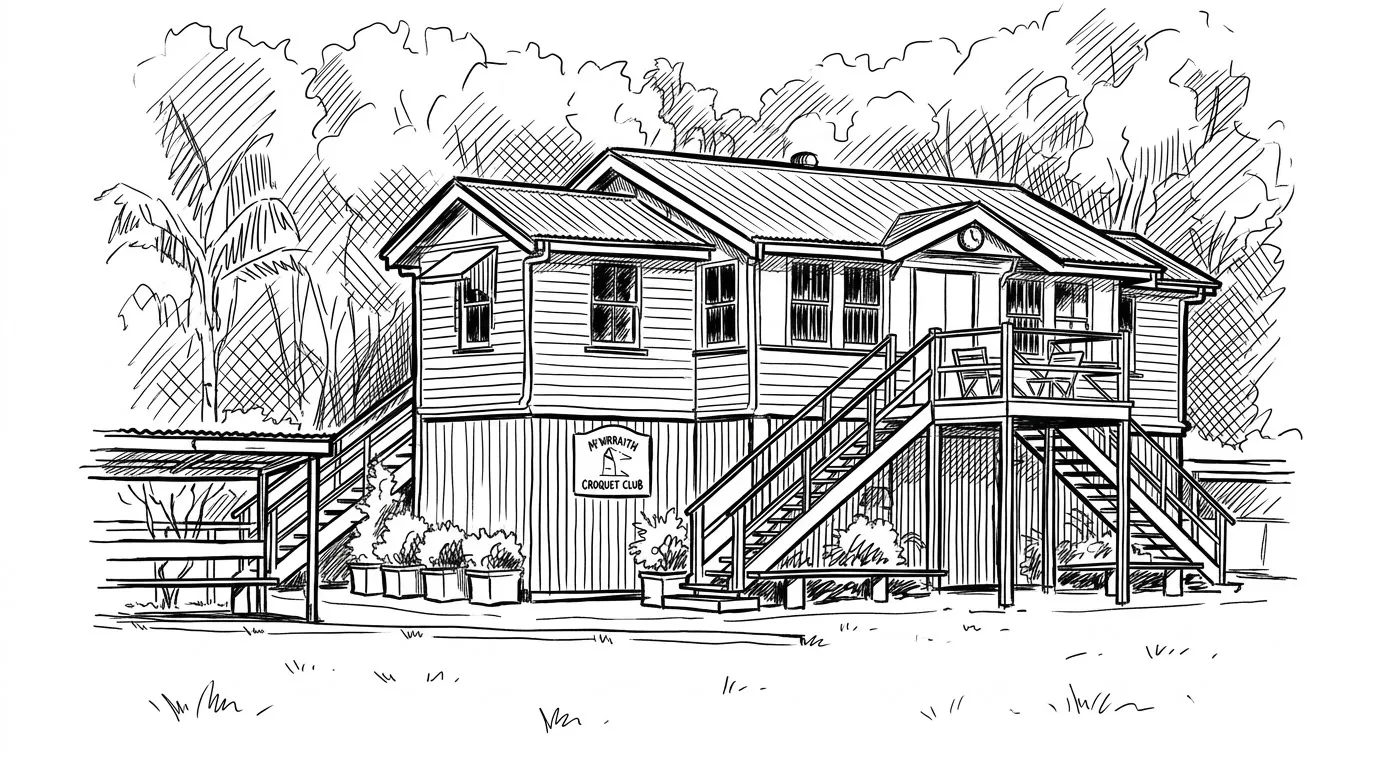
A place people look after because it’s theirs.
The challenge
Queensland croquet is spending real money and real volunteer hours to get new people through club gates. Digital ads. A statewide Come and Try system. Articles, videos, and social media. All of it designed to put croquet in front of people who didn’t know they were looking for it.
That work gets people to the gate. What happens after they walk through it is on the club.
Reg Bamford changed twelve things about how he presented himself and played the best croquet of his career. He didn’t change his technique. He didn’t practise more. He just looked like someone who took the game seriously, and that changed how he felt about it and that changed how everyone responded to him.
Go and stand at your gate. Look at your club the way a stranger would. Ask yourself: if I’d never been here before, and I’d just clicked on an ad that promised me a croquet club, would this be what I expected?
If the answer is yes, you’re keeping the promise to be a croquet club. People want to join croquet clubs. They will want to join yours.