You're Sold Complexity as a Solution
Your new washing machine has 14 wash cycles. You use three. Your TV remote has 47 buttons. You use six. The last time you upgraded your phone, it came with features you still haven’t opened, and probably never will.
Nobody asked for these things. They arrived, marketed as improvements.
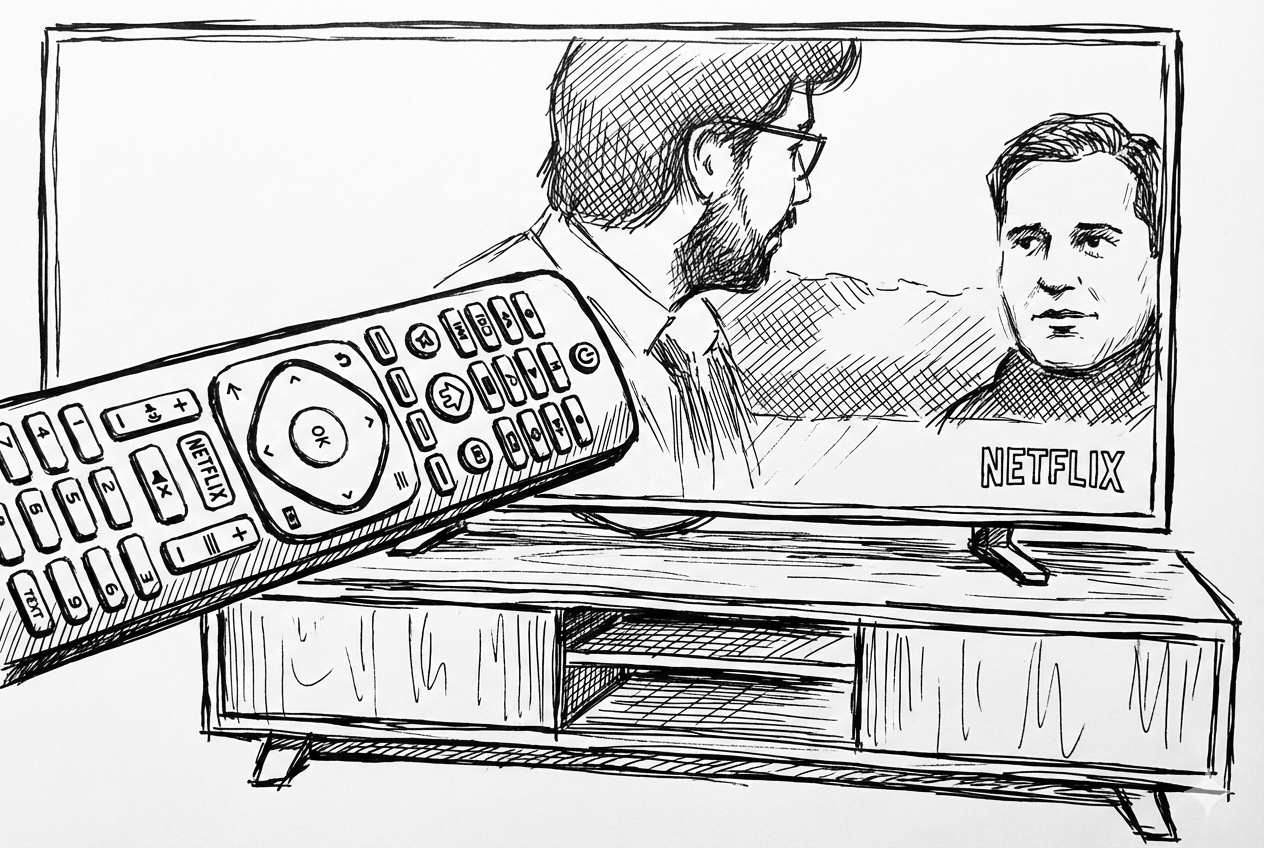
Every button promises something. Most of them just add confusion.
More buttons, better product
Put two products side by side, one simple, one loaded with features, and most people reach for the loaded one. More capability feels like more value. More buttons feels like more control. That feeling is often wrong.
Psychologists call it complexity bias: the tendency to prefer complex explanations, solutions, and products over simple ones, even when the simple option works just as well or better. Anne-Laure Le Cunff’s work on this bias points out that we associate complexity with sophistication. A 20-point policy feels more thorough than a 2-sentence one. A process with twelve steps feels more rigorous than one with three. A committee with six subcommittees feels more organised than one with none.
There’s a related idea called complexity matching: we expect solutions to be as complex as the problems they solve. If laundry feels like a complicated task, then a washing machine with 30 cycles feels like the right machine for the job. A machine with 6 cycles feels like it’s just not taking your laundry seriously enough. The complexity matches your expectation, and that match feels like quality. Whether it actually washes your clothes any better is a another question.
Sold, not demanded
Most of the complexity in your life wasn’t something you went looking for. It was given to you. When was the last time you asked for something to be more complex?
Marketing defaults to “more” because more is easy to sell. “Now with 12 new features” is a straightforward pitch. “We removed 8 things you didn’t need” is a but harder to sell, even when it’s the better product. The person selling you the complex version benefits from you supposing that complexity equals quality. People are out to get you but the incentives in the interaction just cause the situation to play out that way.
Another example is insurance policies. The more detailed and specific they get, the more thorough they seem. However, added detail creates gaps, technical definitions, edge-case exclusions, clauses that contradict other clauses. Simpler contracts with broader language often protect you better. The complexity didn’t improve things because it created gaps due to specificity.
Or software. The program with 40 features and a confusing interface is less useful than the one with 5 features you can actually operate. Software with more than 20 features sees a measurable drop in how quickly people can complete basic tasks, because users spend more time navigating menus than doing what they came to do. Having lots of functions is a different thing to being functional. That distinction gets lost when complexity is doing the marketing.

The more detail in the fine print, the more room to argue what it means.
Why selling us complexity works
We’re wired for it. I wrote about this in The Painter and the Sculptor, looking at Leidy Klotz’s research into additive bias. When people face a problem, they overwhelmingly default to adding rather than removing. Even when subtraction is simpler, cheaper, and more effective. Adding feels like progress. Removing feels like giving something up.
It goes further than habit. Research from 2024 found that at an implicit level, people associate the concept of “adding” with pleasant feelings and “removing” with unpleasant ones. We don’t just default to more. We feel good about more. The person designing your washing machine knows this, even if they’ve never read that study.
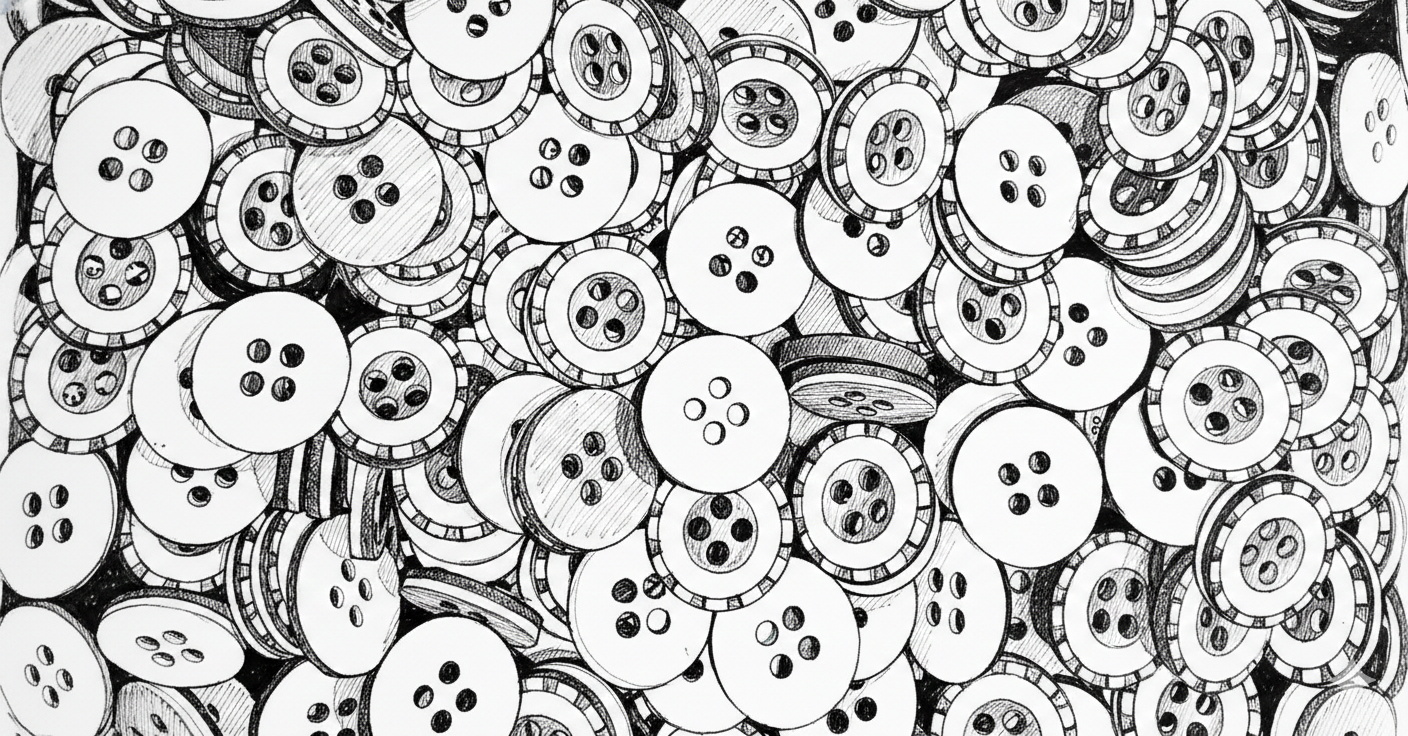
Lots of unneeded buttons. Top quality dad joke.
So we’re predisposed to add, and we’re being marketed to by people who know that. We end up buying a washing machine that has 14 cycles because someone in product development knows I’ll stand in the shop, compare it to the one with 7 cycles, and assume the 14-cycle machine is superior. That assumption isn’t challenged. The complexity made the purchasing decision for them.
Did you demand the extra wash cycles? They were supplied, and you were convinced into believing you needed them. Supply crossdressing as demand.
Now that you know, what changes?
When you’re choosing between two options, one simple and one complex, give yourself pause before assuming the complex one is better. Does the complexity solve a problem I actually have? Does it make my life easier or harder? Did I ask for this, or was it offered to me as something I should want? Do I want it?
Sometimes the complex option is the correct choice for you when extra features do improve the product because you will use them. But if you never consider asking yourself those questions, complexity will be chosen by default. The people selling it to you are counting on exactly that thinking continuing.
The simplest version of something that just works is usually the one that gets used. And the thing that gets used is the thing that has value. Everything else is just buttons that never get pressed.